
If you run a clinic or a hospital, you already know this: patient data is not “just files”.
It is your reputation. It is your license to operate. It is your staff’s daily workflow. It is also the thing patients trust you with, sometimes without even thinking twice.
And right now, healthcare data is under pressure from every side. Ransomware. Insider mistakes. Third party vendors. Simple human error. Plus a growing list of legal and compliance expectations that, honestly, most owners do not have time to decode line by line.
That is why this topic matters.
Not “cloud” in general. Specifically, sovereign cloud. The boring sounding thing that becomes very important the moment there is an incident, an audit, a complaint, or a legal dispute.
This article is for Malaysia clinic and hospital owners who want a clean, practical reason why patient data should stay in Malaysia, and what sovereign cloud actually solves.
The uncomfortable truth about healthcare data
Most healthcare organizations do not leak data because they are careless.
They leak it because the system is a patchwork.
You have an EMR or HIS vendor. A lab system. Imaging. WhatsApp messages. Billing exports. Appointment tools. Online forms. Maybe a call center. And then backups. And then someone stores a spreadsheet on a personal drive because it is “faster”.
And somewhere in there, data starts moving across borders without you meaning for it to. It can happen through:
- A SaaS tool that hosts in Singapore, the US, or “global”.
- A backup configured by an IT vendor to a region outside Malaysia.
- A support team that pulls logs into an overseas system.
- A “free” integration that routes traffic through an external platform.
Most owners only find out after something goes wrong.
So the question becomes simpler.
Where does your patient data live. Where does it travel. And who can legally touch it.
That is what sovereign cloud is about.
First, what is a sovereign cloud (in plain terms)
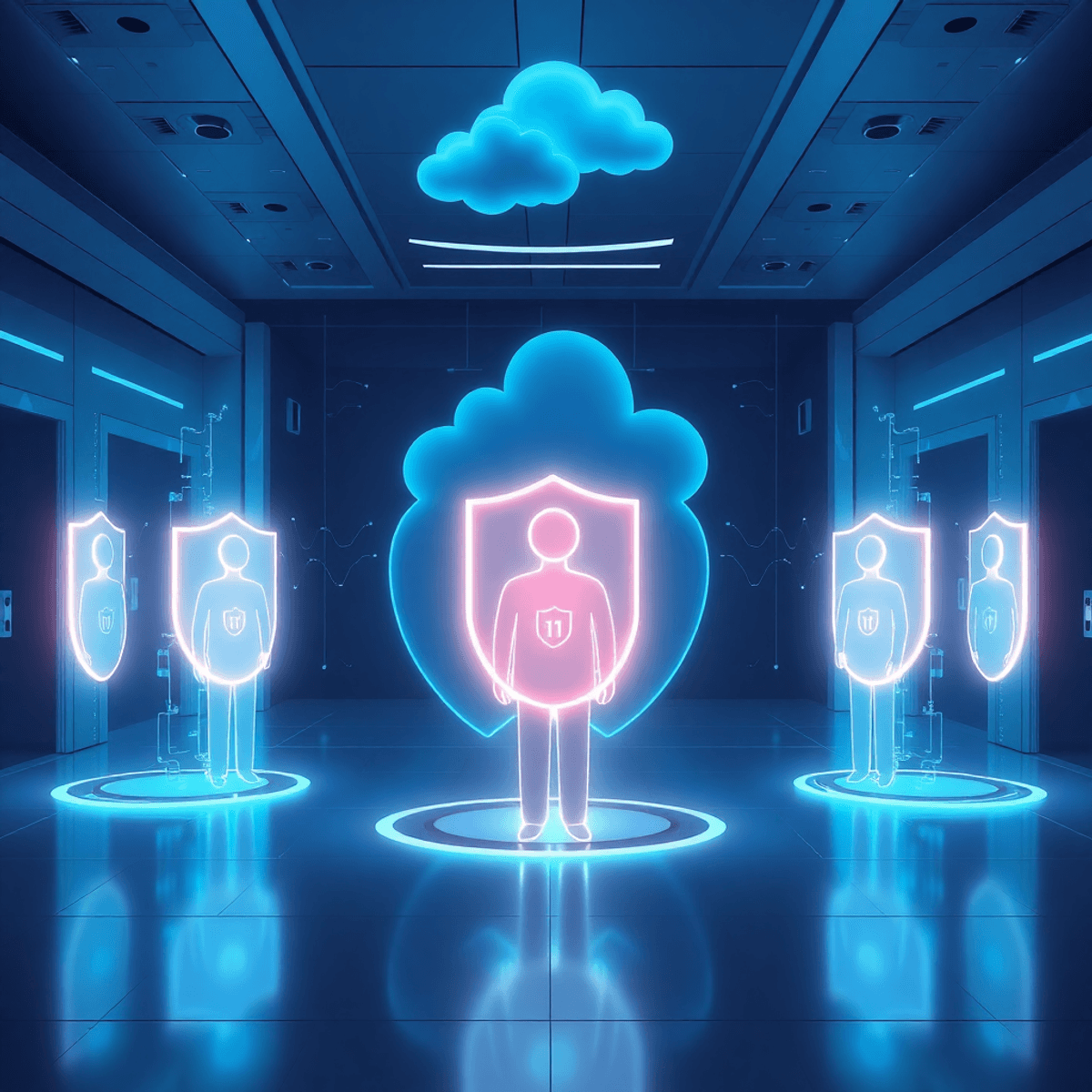
A sovereign cloud is a cloud setup designed so your data is kept under the control of a specific country’s laws and governance. In this case, Malaysia.
In practical terms, it usually means:
- Your patient data is stored in Malaysia data centers.
- Your backups and disaster recovery copies are also in Malaysia (or at least under strict sovereign controls).
- Access is governed in a way that aligns with local legal requirements and audit expectations.
- The cloud provider and operational processes are built to support local compliance needs.
It is not magic. It is not a marketing sticker. It is basically a set of technical and legal guardrails that stop your most sensitive data from drifting into places you did not plan for.
Why data must stay in Malaysia (Sovereignty) in 3 simple points
You asked for three simple points. Here they are, as clean as possible.
1) Legal control stays clear when the data stays local
When patient data is stored outside Malaysia, you are not just dealing with Malaysian expectations. You are also stepping into another country’s legal environment, even if you did not “operate” there.
That can create messy questions like:
- If there is a dispute, which jurisdiction applies.
- If authorities request access, what rules govern the provider’s response.
- If your vendor is acquired or changes hosting, where does the data go next.
Clinic owners usually want one thing here. Clarity.
Keeping the data in Malaysia makes it much easier to demonstrate control, answer auditors, and reduce the “unknown unknowns” that appear when your data is hosted overseas.
Also, when an incident happens, speed matters. Investigations, preservation of logs, coordination with your vendors. Local hosting tends to reduce the back and forth. Less waiting for foreign time zones, foreign processes, foreign approvals.
Not always perfect. But simpler. And in healthcare, simpler is safer.
2) Patient trust is local, and reputational damage is brutally local too
Patients may not talk about “data sovereignty” at the counter, but they absolutely care about privacy. Especially when it comes to medical results, diagnoses, imaging, prescriptions, fertility, mental health, HIV status, oncology, paediatrics. You know the list.
The moment a breach happens, the story does not become “cloud vendor had an issue”.
It becomes:
- “Hospital leaked data.”
- “Clinic exposed my details.”
- “My employer might find out.”
- “My family might find out.”
And the follow up questions get personal fast:
- Why was my data stored overseas.
- Who else could access it.
- Why didn’t you keep it here.
In Malaysia, reputational damage spreads quickly. Community groups. Local Facebook pages. WhatsApp forwarding. Competitors quietly capitalizing. Patients switching providers.
Sovereign cloud is not a PR tool, but it supports a very defensible position: we kept your data in Malaysia, under Malaysian governance, with controlled access.
That line matters when you are rebuilding trust.
3) Operational resilience is better when you are not dependent on cross border complexity
Owners often think sovereignty is mainly legal. It is legal, yes. But day to day, it is operational.
Healthcare runs 24/7. A clinic runs on speed. Registration counters cannot freeze. Doctors cannot wait for a system that is “having latency issues”. Billing cannot stall. Pharmacy queues cannot pile up. A&E cannot be stuck.
When your core systems rely on overseas regions, you introduce extra risk points:
- Cross border network issues and latency.
- Outages in another country affecting your operations here.
- Slower incident response because the infrastructure and teams are elsewhere.
- Data recovery times that depend on cross border transfer of large medical files.
A sovereign cloud approach pushes you toward a setup where:
- Primary storage is local.
- Backups are local.
- Recovery plans are designed around local infrastructure realities.
When something breaks, and something eventually will, your goal is not perfection. Your goal is getting back to safe operations fast, with clean logs and clear accountability.
“We already use the cloud.” That is not the same thing.
A lot of hospital groups and clinic chains say this, and they are not wrong.
But “using cloud” could mean:
- Email and documents in one place.
- EMR hosted by a vendor who chose a region for cost reasons.
- Backups going to wherever the default was.
- An application that stores data in multiple countries because it is “global by design”.
None of that guarantees sovereignty.
Sovereignty is intentional. It is a design choice.
And it is something you can demand from vendors, if you know what to ask.
What clinic and hospital owners should ask vendors (simple checklist)
If you want to pressure test your current setup, ask your HIS, EMR, PACS, and IT providers these questions. Do not accept vague answers.
- Where is patient data stored, exactly. City, country, data center region.
- Where are backups stored. Same question. Many surprises hide here.
- Where is disaster recovery. If production fails, where does it fail over to.
- Do you replicate data outside Malaysia for support or analytics.
- Who can access the data. Roles, vendor staff, subcontractors, and from which countries.
- How do you handle government or legal requests for access. What is the process.
- Can you provide audit logs. Access logs, admin logs, export logs, retention period.
- What encryption is used. At rest, in transit, and who controls the keys.
- What is your incident response SLA. Not marketing. Actual response times.
- What happens if we terminate the contract. Data return, deletion proof, timelines.
If a vendor cannot answer these clearly, that is already an answer.
Common objections I hear, and the real answer
“Overseas cloud is safer because the big brands run it.”
Big brands can be safe. But safety is not only about brand size.
Healthcare risk is a mix of:
- Misconfiguration
- Poor access controls
- Weak vendor processes
- Shadow IT
- Slow incident response
- Unclear accountability
You can be on the “best cloud” and still leak data if your setup is not governed properly.
Sovereign cloud does not automatically fix everything. It does reduce one major category of risk: uncontrolled cross border exposure.
“Malaysia hosting is more expensive.”
Sometimes. Not always. And the cost conversation is incomplete.
What is the cost of:
- Downtime during peak hours.
- A ransomware event plus recovery.
- Patient churn after a breach.
- Legal and compliance fallout.
- Rebuilding brand trust.
Owners are good at calculating business risk. Apply that same thinking here.
“Our vendor says it is compliant.”
Compliant with what, and where.
Ask for specifics. Ask where the data sits. Ask where backups sit. Ask for contract terms. Ask for logs. If the answer is “don’t worry”, worry.
What sovereign cloud looks like in a realistic healthcare setup
Not every clinic needs a massive transformation project.
For many organizations, the practical path is staged:
- Start with patient records and identity data. Keep it local.
- Make sure backups are local and tested.
- Lock down remote admin access with strong controls and logging.
- Segment systems so a compromise in one area does not expose everything.
- Build a clean offboarding plan with vendors. Data return and deletion.
If you operate multiple branches, it becomes even more important. Data flows multiply. Staff turnover increases access risk. The number of third parties grows. Sovereignty plus strong governance becomes your baseline.
Closing thought (owner to owner)
If you own or run a clinic or hospital, your job is not to become a cloud expert.
Your job is to make sure the people you hire, and the vendors you pay, do not quietly put your most sensitive asset in a legal and operational gray zone.
So here is the simple takeaway again:
- Keeping patient data in Malaysia keeps legal control clearer.
- It protects patient trust and your reputation when things go wrong.
- It reduces cross border operational complexity, which helps resilience.
Sovereign cloud is not a buzzword. It is a decision that becomes very real the day you get that phone call you never want.
FAQs (Frequently Asked Questions)
What is sovereign cloud and why is it important for Malaysian clinics and hospitals?
Sovereign cloud refers to a cloud setup where patient data is stored and managed under Malaysia’s laws and governance. It ensures that healthcare data remains within Malaysia’s borders, aligning with local legal requirements, audit expectations, and compliance needs. This setup is crucial for clinics and hospitals to maintain control over sensitive patient information, reduce risks of data breaches, and simplify incident responses.
Why should patient data stay in Malaysia instead of being stored overseas?
Keeping patient data in Malaysia offers three main benefits: 1) Legal clarity by ensuring Malaysian laws govern the data, avoiding complex jurisdictional issues; 2) Enhances patient trust as privacy concerns are addressed locally, minimizing reputational damage from breaches; 3) Improves operational resilience by reducing latency, cross-border network issues, and speeding up incident responses critical for healthcare services.
What risks do healthcare organizations face when their patient data moves across borders?
When patient data travels outside Malaysia, organizations face risks such as exposure to foreign legal jurisdictions, unclear access controls by overseas authorities or vendors, potential delays in incident investigations due to time zone differences, increased chances of data leaks through third-party vendors or integrations hosted abroad, and operational challenges like slower system responsiveness affecting critical healthcare workflows.
How does sovereign cloud support compliance with legal and audit requirements in Malaysia?
Sovereign cloud providers design their infrastructure and operational processes to align strictly with Malaysian legal frameworks governing healthcare data. Data storage, backups, access controls, and disaster recovery are all managed within Malaysia or under strict sovereign controls. This alignment simplifies demonstrating compliance during audits or legal disputes by ensuring clear governance over where and how patient data is handled.
In what ways does storing healthcare data locally impact patient trust and clinic reputation?
Patients deeply care about the privacy of their medical information. When clinics store data locally under Malaysian governance, they can confidently assure patients that their sensitive details—such as diagnoses or treatments—are protected within familiar legal boundaries. This transparency builds trust and helps prevent reputational damage that often arises when breaches involve overseas storage, which can lead to public backlash and loss of patients.
How does sovereign cloud improve the daily operations of clinics and hospitals?
By hosting patient data within Malaysia’s borders, sovereign cloud reduces risks related to cross-border network latency, outages in foreign regions, and slower incident response times. This ensures critical systems like electronic medical records (EMR), billing, appointments, and emergency services operate smoothly without delays or downtime—supporting the 24/7 nature of healthcare delivery where speed and reliability are paramount.