
In 2026, most Malaysians don’t really carry wallets anymore.
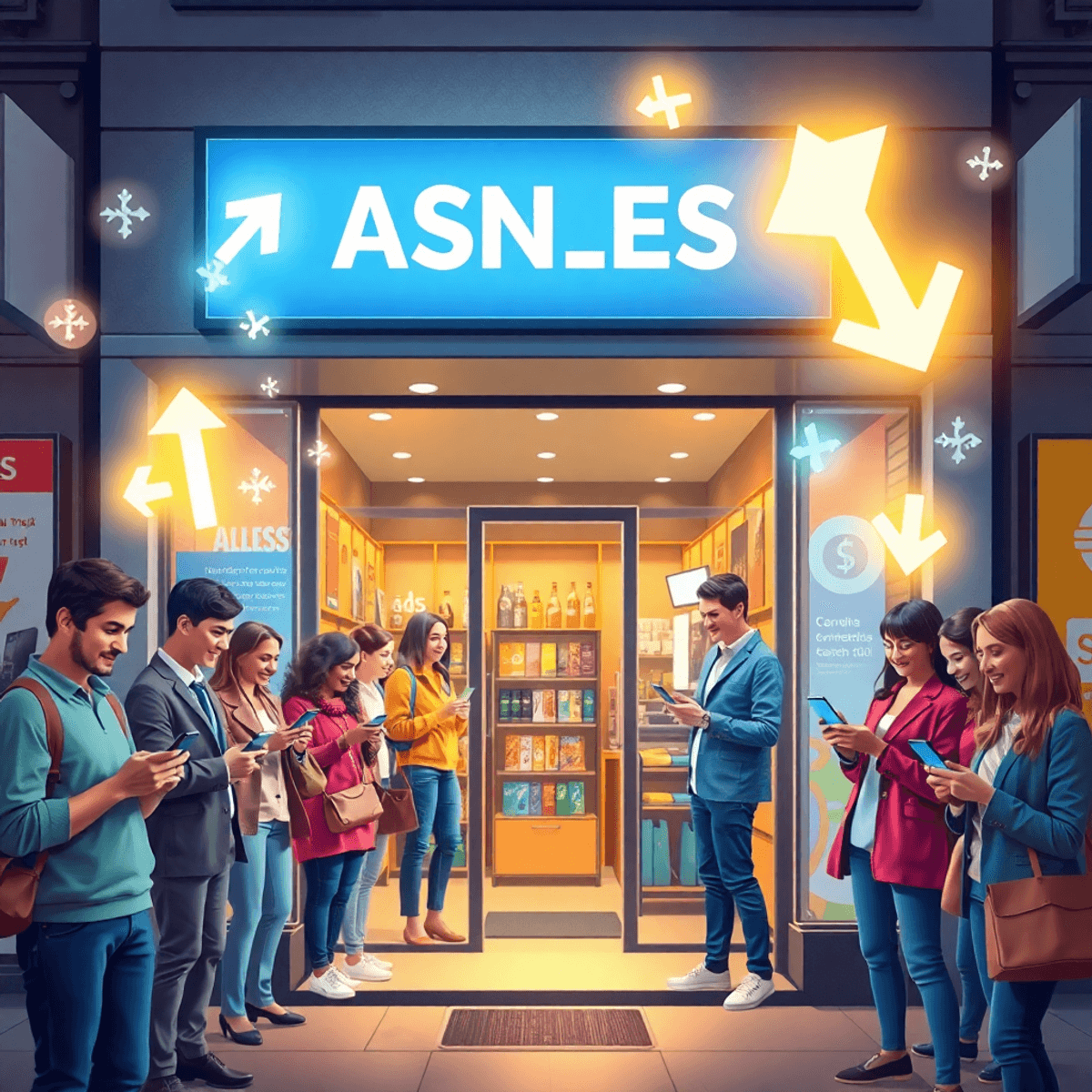
Maybe a thin card holder, sure. Maybe IC tucked into a phone case. But the old routine of counting notes, digging for coins, carrying a thick wallet that looks like it’s been through war. That’s fading fast. You see it everywhere. People tap their phone for kopi, scan a QR at the pasar malam, split dinner with an instant transfer, pay parking without touching a machine, and honestly they barely think about it.
And that’s the key point.
Digital payments are no longer a “nice to have”. They are not some bonus feature you add when you feel like you’re ready to be modern. At this point, digital payments are foundational infrastructure. Like electricity. Like having a working phone number. Like being on Google Maps.
If you run an SME in Malaysia, this shift is not a trend to watch. It’s the new default your customers already live in.
Digital payments aren’t “fintech” anymore. They’re just… the way it works now
A few years back, “cashless” was something businesses talked about like it was a special upgrade.
Now it’s just expected.
Customers don’t stand there thinking, wow this shop has QR pay. They stand there thinking, why can’t I scan here. Or worse, they just walk next door because the next place is easier.
And when I say foundational infrastructure, I mean it in a very practical way.
Digital payments now sit under your daily operations. They affect how fast you serve, how you track sales, how you manage staff, how you handle refunds, how you do accounting, how you run promos, how you get repeat customers. It’s not only about collecting money. It’s about running the business with less friction.
If cash is your only reliable method, you’re basically building your shop on a system that more and more people don’t want to use.
Here are 3 reasons businesses must adapt to stay competitive
- Customers expect speed and convenience, not excuses
- People are paying in the middle of doing other things. Between meetings. While holding a kid. While rushing to pick up food. If paying takes extra steps, they feel it immediately. And they don’t blame the payment system. They blame your shop.
- Competitors are already making checkout effortless
- The shop next door with QR, cards, and ewallet promotions feels smoother even if the product is the same. In crowded markets, “easy to buy” is a real advantage. It quietly wins.
- Your business needs clean records, not messy cash handling
- Cash creates blind spots. Missing change. End of day counting. Human error. Untracked sales. Digital payments give you a trail. That trail matters when you want to understand what’s selling, when to restock, which branch performs better, or when you need financing later.
Simple, but it’s the reality. Convenience, competition, and clarity.
The hidden cost of “cash preferred”
A lot of SME owners don’t say “no” to digital payments. They say things like, can, but cash is easier. Or, our customers still use cash.
Maybe some do. But what’s happening is a quiet split. Customers who prefer cash will still show up, yes. But customers who live on digital, the ones who buy impulsively, the ones who don’t want to withdraw cash, the ones who want to pay fast and leave. Those customers are filtering you out without even telling you.
And the cost isn’t dramatic like losing 50 customers overnight.
It’s slower. It’s more annoying. It’s like a leak.
You lose the extra drink add on because the customer doesn’t want to deal with change. You lose the walk in because the person only has phone. You lose the group order because one person is paying for everyone and wants to tap, not go find an ATM. You lose the repeat customer because another shop gave them an easier experience.
Then you look at sales and think, business slow lately. But part of it is payment friction. It’s invisible until it’s not.
Digital payments also change how you market, not just how you collect money
This part gets overlooked.
Once you accept digital payments properly, you can plug into the way customers already behave.
You can run simple promos without confusion. Cashback campaigns. Partner vouchers. Limited time discounts. You can do bundles and make payment fast so queues don’t explode. You can encourage pre orders and deposits. You can take payment links for deliveries or WhatsApp orders. You can sell during peak hours without staff spending half their time giving change.
Cash only businesses are stuck with old style tactics. Shout louder. Print banners. Hope people show up. Which is fine, but it’s not enough in 2026 because customers are being pulled by convenience, not just price.
And yes, I know some owners worry about fees. But here’s the uncomfortable truth. The fee is often smaller than the sales you lose by being hard to pay.
“But my customers are older” and other common objections
Let’s talk through the usual reasons people hesitate. Not to judge. Just to be honest.
“My customers are older, they use cash.”
Some do. Many don’t. Older Malaysians use QR and bank transfers more than people assume. And even if part of your customer base prefers cash, offering digital doesn’t remove cash. It just expands your net.
“I’m worried about scams or mistakes.”
Fair concern. But not having digital payments doesn’t remove risk, it shifts it. Cash gets misplaced. Staff can under report. Fake notes exist. With digital, you can set clear SOP. Verify payment notifications. Use proper terminals. Train staff. It becomes routine.
“It’s troublesome to set up.”
It used to be. Now it’s mostly paperwork and a bit of learning, then it’s done. The bigger trouble is staying stuck and slowly falling behind.
“The line will be slower.”
Usually the opposite. Once staff are trained and you standardize the flow, digital is faster. Especially for busy periods where cash handling is the real bottleneck.
The mindset shift: treat payments like a core system, not an accessory
SMEs often think about payments the way they think about decoration. Nice if you have it.
But payments are closer to plumbing.
If the plumbing is bad, everything else suffers. Customers feel it. Staff feel it. Operations feel it. You might still survive, but it’s harder than it needs to be.
So the goal isn’t to accept one random ewallet and call it a day. The goal is to build a basic payment stack that matches how people pay now.
A simple baseline most SMEs should aim for:
- QR payments that are clearly displayed and easy to scan
- Card acceptance where relevant (especially in higher ticket or higher traffic locations)
- Online payment options for orders done through WhatsApp, IG, or delivery
- A routine for reconciliation so your records are clean, not a headache at month end
Nothing fancy. Just solid.
What “cashless as default” really means for SMEs
It doesn’t mean you ban cash and force everyone to comply. Not in Malaysia, not for most small businesses.
It means you design your business assuming the customer will pay digitally. The process, the signage, the staff training, the checkout flow, even the way you handle refunds. Digital first.
Then cash becomes the backup option. Not the main plan.
And once you do that, a lot of things get easier.
Less time counting. Fewer awkward moments at the counter. Cleaner sales data. Easier accounting. Better ability to scale. And honestly, a more modern brand feel without even trying.
Closing thought
In 2026 Malaysia, cashless isn’t a future vision. It’s already the default behavior.
So digital payments aren’t a “bonus feature” you add when business is bigger. They’re foundational infrastructure. If you’re building an SME that wants to compete for the next few years, this is one of those unglamorous decisions that quietly determines whether customers stick with you or drift away.
Make paying easy. Make it normal. Make it fast.
Then you can focus on the thing that actually matters. Your product, your service, your people. The stuff customers come back for.
FAQs (Frequently Asked Questions)
Why are digital payments becoming essential for Malaysian businesses in 2026?
Digital payments have become foundational infrastructure in Malaysia, much like electricity or having a working phone number. Customers expect speed and convenience, and digital payments enable faster service, better sales tracking, easier staff management, and smoother refunds. Businesses relying solely on cash risk losing customers who prefer quick, seamless transactions.
How do digital payments improve the customer experience compared to cash?
Digital payments offer speed and convenience that cash can’t match. Customers can pay instantly via QR codes, e-wallets, or card taps without fumbling for notes or coins. This ease of payment fits into busy lifestyles—whether between meetings or while multitasking—making the shopping experience smoother and more enjoyable.
What competitive advantages do businesses gain by adopting digital payment methods?
Businesses accepting digital payments often appear more modern and customer-friendly. They can offer promotions like cashback or partner vouchers easily, manage queues better with faster checkouts, and attract customers who prefer cashless transactions. This ‘easy to buy’ factor quietly wins over customers in crowded markets.
Are there risks associated with digital payments compared to cash?
While concerns about scams or mistakes exist, digital payments can actually reduce risks present with cash such as misplaced money, fake notes, or under-reporting by staff. Proper procedures like verifying payment notifications, using secure terminals, and staff training help mitigate these risks effectively.
What if my customer base is mostly older people who prefer cash?
Many older Malaysians are increasingly using QR codes and bank transfers more than commonly assumed. Offering digital payment options doesn’t eliminate cash but expands your customer reach by catering to both preferences, ensuring you don’t miss out on any segment of the market.
How do digital payments affect business operations beyond just collecting money?
Digital payments integrate into daily operations by enhancing sales tracking accuracy, simplifying accounting, enabling efficient staff management, facilitating refunds smoothly, and supporting marketing efforts through easy promos and discount campaigns. This reduces friction in running a business and provides valuable data insights for better decision-making.