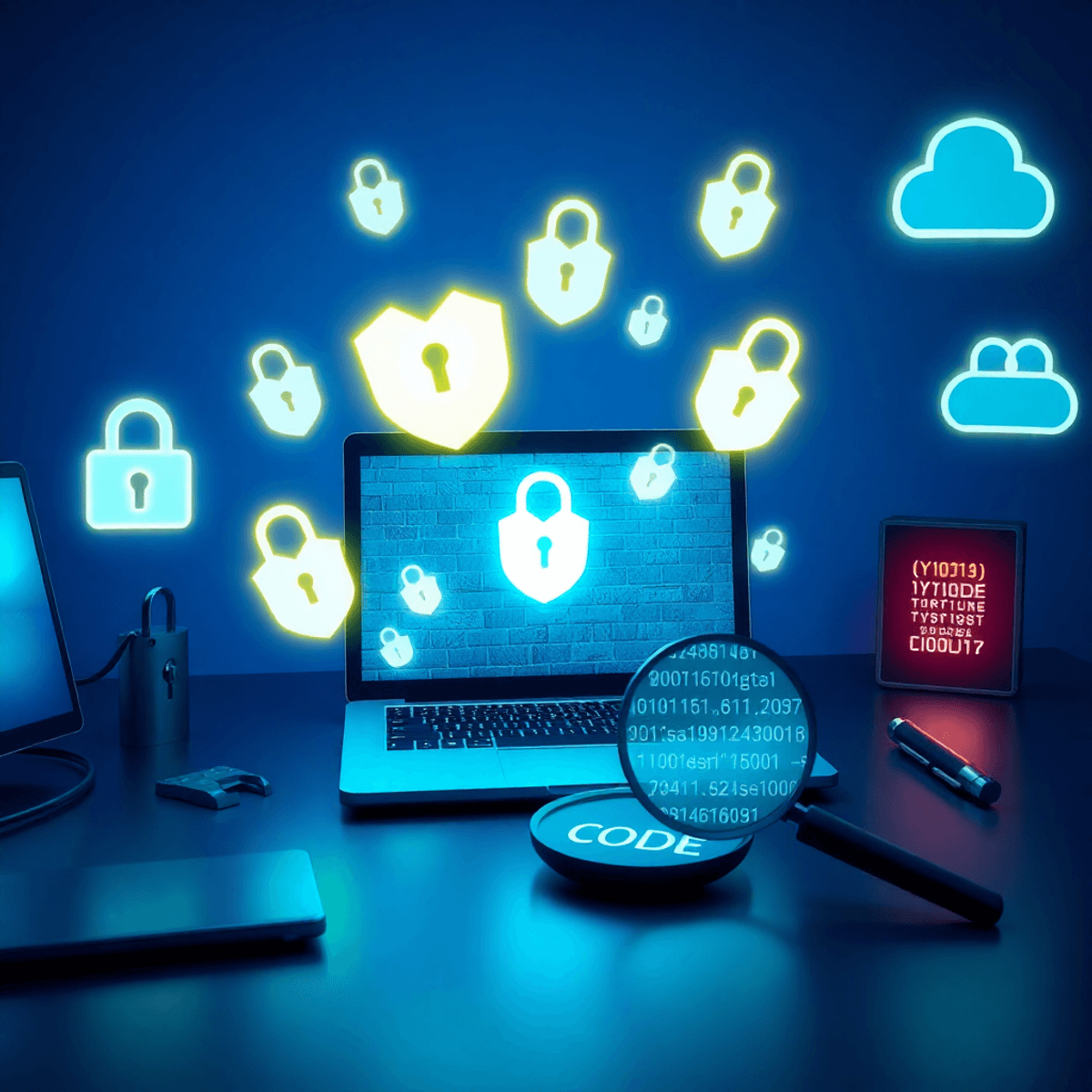

Most small and mid sized businesses do not need a 40 tool security stack. They need five things that cover the boring basics, because the boring basics are what actually stop the majority of real world attacks.
If you are building a simple budget friendly shopping list for 2026, this is it. Five categories. Pick one solid product in each. Get them deployed. Keep them updated. Done.
1. Endpoint protection (EDR)
What it does: Detects and stops malware, ransomware, and suspicious behavior on laptops and desktops, then helps you investigate and clean up if something gets through.
2. Identity and access management with MFA (IAM)
What it does: Controls who can log in to what, and adds multi factor authentication so stolen passwords alone are not enough to break in.
3. Email security
What it does: Filters phishing, malicious links, and dangerous attachments before they reach inboxes, since email is still the easiest way to compromise an SME.
4. Patch management
What it does: Automatically keeps operating systems and third party apps updated so attackers cannot exploit known vulnerabilities you forgot were sitting there.
5. Backup and recovery (immutable backups if possible)
What it does: Creates recoverable copies of critical data and systems so you can restore operations quickly after ransomware, accidental deletion, or hardware failure.
If you buy only five types of security software in 2026, make it these. Everything else tends to be an add on after you have the basics running smoothly.
FAQs (Frequently Asked Questions)
What are the essential security tools small and mid-sized businesses need in 2026?
Small and mid-sized businesses should focus on five key security categories in 2026: Endpoint Protection (EDR), Identity and Access Management with MFA (IAM), Email Security, Patch Management, and Backup and Recovery with immutable backups if possible. These cover the critical basics to stop most real-world attacks.
Why is Endpoint Protection (EDR) important for SMBs?
Endpoint Protection detects and stops malware, ransomware, and suspicious activities on laptops and desktops. It also helps investigate and clean up infections if something slips through, making it vital for protecting business endpoints from cyber threats.
How does Identity and Access Management with MFA enhance security?
IAM controls who can access what systems, ensuring only authorized users log in. Adding Multi-Factor Authentication (MFA) means that stolen passwords alone aren’t enough to gain access, significantly reducing the risk of unauthorized breaches.
What role does Email Security play in protecting small businesses?
Email Security filters out phishing attempts, malicious links, and dangerous attachments before they reach employees’ inboxes. Since email remains the easiest attack vector for compromising SMEs, strong email security is crucial to prevent breaches.
Why is Patch Management critical for cybersecurity?
Patch Management automatically updates operating systems and third-party applications to fix known vulnerabilities. This prevents attackers from exploiting outdated software weaknesses that might otherwise be overlooked.
How do Backup and Recovery solutions protect businesses against data loss?
Backup and Recovery create restorable copies of critical data and systems, enabling quick recovery after ransomware attacks, accidental deletions, or hardware failures. Using immutable backups ensures backup data cannot be altered or deleted by attackers.